
 http://reimsdesjeux.fr/facebook-events
What is Control?
Control measures a pitcher’s ability to consistently hit the target on the strike zone. Unlike Velocity or Break, which determine how fast or how sharply a pitch moves, Control reflects how well a pitcher can place pitches where they want them. In MLB The Show 26, a pitcher with high Control can place the ball on the corners, avoid hitting the middle of the plate, and reduce walks.
In practical terms, a pitcher with low Control will struggle to throw strikes in the right spots, even if their pitches have high Velocity or Movement. That means a fastball can miss the intended corner by a foot or a breaking ball can hang right over the heart of the plate. This often leads to more walks, hard-hit balls, and overall ineffective pitching.
Why Control is Often Underrated
Most players look at strikeouts or pitch speed and assume that high numbers in those stats make a pitcher great. But in reality, even the hardest thrower can be vulnerable if their Control is poor.
High strikeouts don’t always mean dominance: A pitcher with blazing speed might get lucky on some swings, but if they can’t hit their spots consistently, the same hitter will adjust in later at-bats.
Low walk rates are deceptive: Players may assume that a pitcher with low Walk numbers is automatically effective, but without good Control, those walks could increase quickly under pressure or against skilled opponents.
Control directly affects how predictable and manageable a pitcher is during a game. A high-Control pitcher allows you to strategically attack the strike zone, exploit batter weaknesses, and manage pitch counts effectively. Low-Control pitchers often force you into risky situations, even if their other stats look impressive on paper.
How Control Impacts Different Pitch Types
Control doesn’t affect all pitches equally. Here’s a practical breakdown based on player behavior in MLB The Show 26:
Fastballs: Control allows you to hit the corners consistently. Even if your fastball has great speed, poor placement will result in easy swings for hitters.
Breaking Balls: High Break numbers mean nothing if your Control is low. You might aim for a low-and-away slider, only for it to hang right over the plate, making it a hard-hit pitch.
Off-Speed Pitches: Pitches like changeups rely on deception and timing. Control ensures the pitch lands where intended, preventing predictable pitches that hitters can time.
Players often underestimate Control on pitchers who are strikeout-heavy because it’s not as flashy. But when you face top-tier opponents or online competition, even small errors in pitch placement can make the difference between a clean inning and a big rally.
How Control Shapes Game Strategy
Control affects more than just pitch placement—it shapes your overall pitching strategy. Here’s what that looks like in practice:
Pitch Sequencing: High-Control pitchers allow you to mix pitch types effectively. You can throw a low-and-away fastball, then a high breaking ball, confident that each pitch will land where you intend.
Exploiting Batter Weaknesses: Skilled players can adjust to predictable patterns. High-Control pitchers can keep hitters guessing by targeting weak zones consistently.
Pitch Count Management: Pitching efficiently is easier with good Control. Fewer walks and fewer hard-hit balls reduce stress on your bullpen and allow you to stretch your starters deeper into games.
Even casual games with AI opponents show the difference. A pitcher with low Control may blow a 2-0 lead simply by walking batters or leaving pitches over the plate at the wrong time. High-Control pitchers can shut down lineups with fewer mistakes, even if they don’t have the flashiest fastball.
Practical Tips for Maximizing Control in MLB The Show 26
Control isn’t just a stat—you can actively improve it and leverage it in games. Here’s what experienced players do:
Check Control Ratings Before Buying or Upgrading: When deciding which pitcher to add to your roster, look beyond Velocity and Break. A pitcher with slightly lower speed but higher Control is often more reliable in high-pressure situations.
Practice Precision Input Pitching: The new precision mechanics reward careful targeting. Pitchers with high Control are easier to place exactly where you want. Low-Control pitchers make this more frustrating and inconsistent.
Adjust Your Pitch Selection: Against certain hitters, use pitches that you can control best. If your pitcher struggles with sliders, lean more on fastballs or changeups where placement is easier.
For players looking to quickly strengthen their roster, it’s common to consider ways to improve Control through upgrades or new cards. If you’re managing in-game currency, knowing how to buy MLB The Show 26 stubs responsibly can help you acquire high-Control pitchers without overspending.
Control vs. Other Pitching Stats
It’s tempting to prioritize stats that are easy to measure: strikeouts, velocity, or stamina. But Control interacts with all these stats. Here’s why:
Control + Velocity: A fastball is only fast if it’s also in the strike zone. Otherwise, hitters can adjust and time it.
Control + Break: A slider with incredible break is useless if it ends up over the heart of the plate.
Control + Stamina: Even the most durable pitcher struggles late in games if their pitches start missing the zone consistently.
High Control can even compensate for lower velocity or break. Experienced players often choose pitchers with moderate speed and movement but excellent Control because they are more consistent and less risky to manage over a full season or online competition.
In MLB The Show 26, Control is the hidden backbone of effective pitching. While velocity, break, and strikeouts get the attention, Control determines whether a pitcher can execute strategy, avoid costly mistakes, and consistently dominate hitters.
Focusing on Control changes the way you approach pitching: you can sequence pitches intelligently, exploit batter weaknesses, and manage games more efficiently. For those looking to build a competitive roster, don’t overlook Control when evaluating pitchers—it’s often the difference between a solid starter and an elite one.
In practice, prioritizing Control is what separates experienced players from casual ones. When you combine Control with smart pitch selection and in-game adjustments, you’ll find that even pitchers without overpowering stats can dominate lineups and carry your team deep into the season.
⚠ L’association « Reims Dés Jeux » a déménagé dans de nouveaux locaux (plus grands et flambant neufs) et se trouve désormais en centre ville, au sein même de « La Grande Malle » (au 12-14 Avenue de Laon, 51100 Reims) !!!
(cliquez sur ce lien pour visualiser l'emplacement de nos nouveaux locaux))
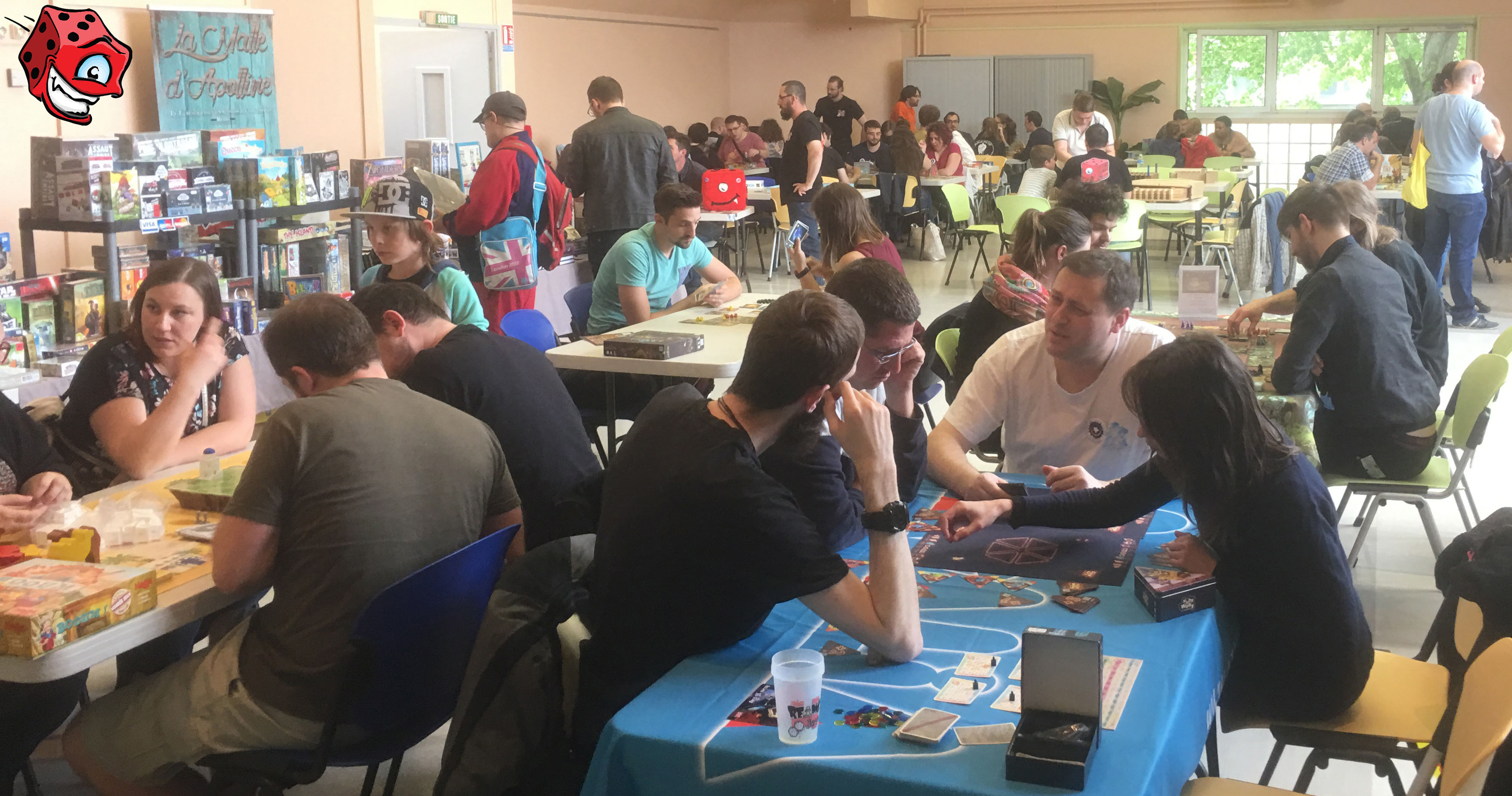
Bienvenue sur le forum officiel de « Reims Dés Jeux », association de jeux de société modernes à Reims !
L’association ouvre à nouveau ses portes pour une nouvelle année ludique en compagnie de toute son équipe de bénévoles.
De ce fait, si vous avez le goût du jeu et un enthousiasme sans faille, ne vous privez surtout pas, venez nous rejoindre sans attendre et n’hésitez pas à en parler autour de vous !
Le support de ce forum fonctionnant par « autogestion », cela signifie que « tout le monde aide et renseigne tout le monde ». Par conséquent, si quelqu'un vous vient en aide ou vous rend service, remerciez-le et renvoyez-lui l'ascenseur en le conseillant à votre tour ou bien encore en aidant quelqu'un d'autre lorsque l'occasion s'y prête.
Faites en sorte de poster dans la bonne rubrique, de respecter les propos des autres internautes, de ne pas utiliser le langage SMS et d'utiliser autant que possible la fonction « Recherche » afin d'éviter les doublons.
Et... Gardez le sens de l'humour, de la convivialité et de la décontraction. Nous ne sommes pas ici pour se prendre la tête.
➯ Définition : Qu’est-ce que le « jeu de société moderne » ?
(cliquez sur ce lien pour visualiser l'emplacement de nos nouveaux locaux))
Bienvenue sur le forum officiel de « Reims Dés Jeux », association de jeux de société modernes à Reims !
L’association ouvre à nouveau ses portes pour une nouvelle année ludique en compagnie de toute son équipe de bénévoles.
De ce fait, si vous avez le goût du jeu et un enthousiasme sans faille, ne vous privez surtout pas, venez nous rejoindre sans attendre et n’hésitez pas à en parler autour de vous !
Le support de ce forum fonctionnant par « autogestion », cela signifie que « tout le monde aide et renseigne tout le monde ». Par conséquent, si quelqu'un vous vient en aide ou vous rend service, remerciez-le et renvoyez-lui l'ascenseur en le conseillant à votre tour ou bien encore en aidant quelqu'un d'autre lorsque l'occasion s'y prête.
Faites en sorte de poster dans la bonne rubrique, de respecter les propos des autres internautes, de ne pas utiliser le langage SMS et d'utiliser autant que possible la fonction « Recherche » afin d'éviter les doublons.
Et... Gardez le sens de l'humour, de la convivialité et de la décontraction. Nous ne sommes pas ici pour se prendre la tête.
➯ Définition : Qu’est-ce que le « jeu de société moderne » ?
Why "Control" is the Most Underrated Pitching Stat in MLB The Show 26
-
VenomBlood
- Message(s) dans cette discussion : 1
- Messages : 83
- Inscription : 13 mai 2025, 11:38
- Prénom : hong
Qui est en ligne ?
Utilisateurs parcourant ce forum : Aucun utilisateur inscrit et 6 invités