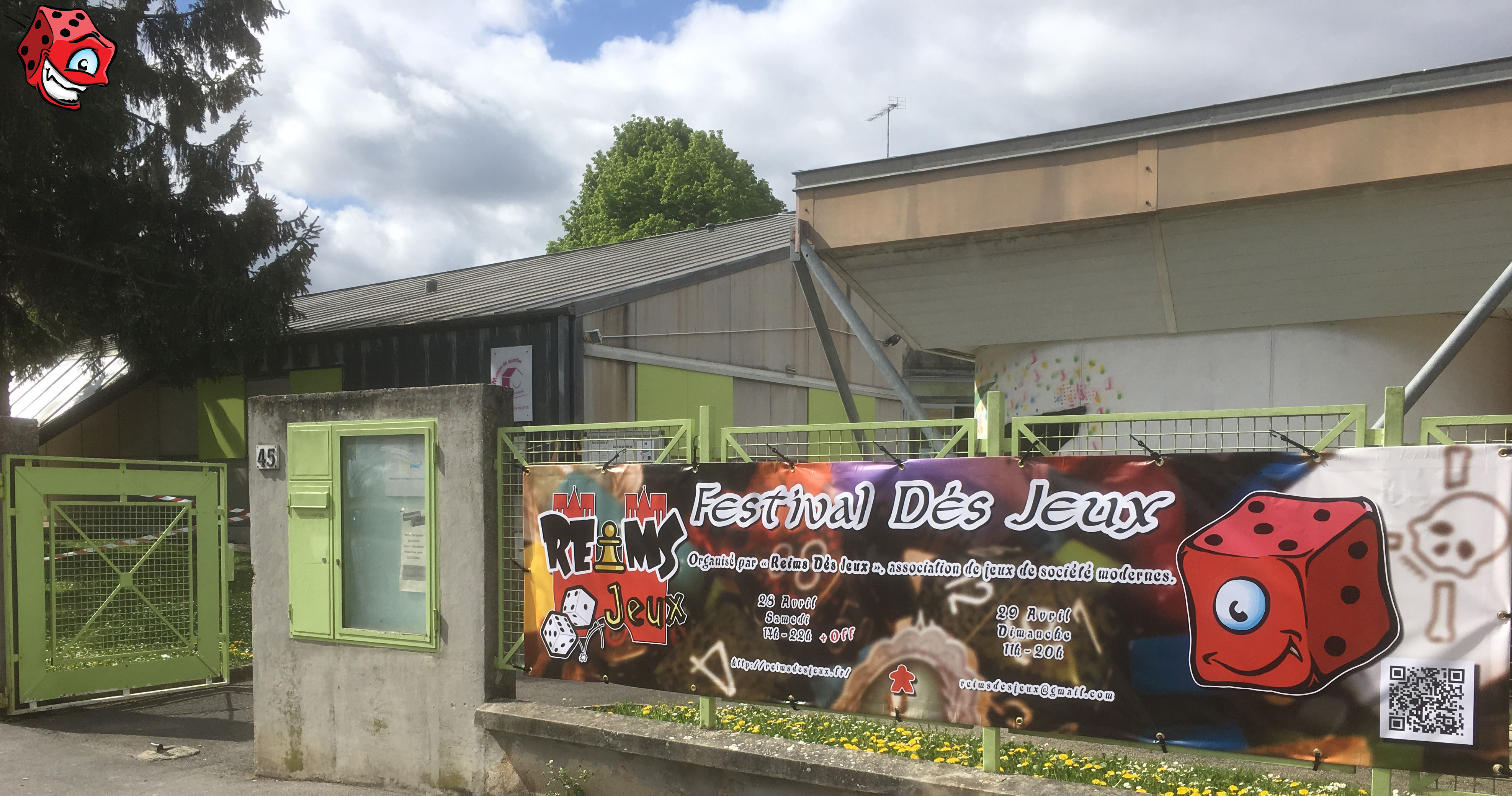
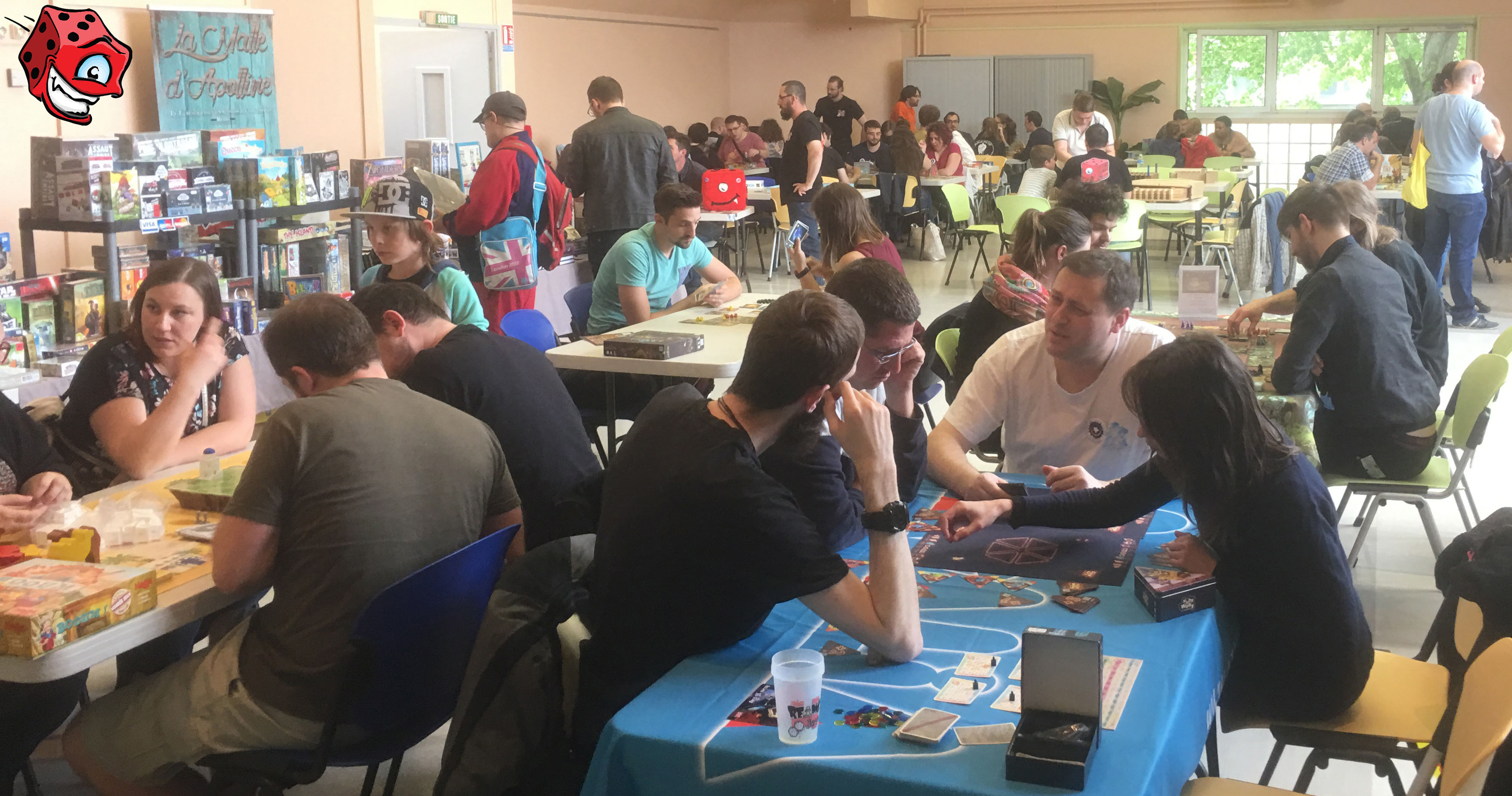
 http://reimsdesjeux.fr/facebook-events
What Are Stubs and Why Are They Important?
For new players, stubs are the in-game currency used to buy player packs, participate in certain events, and upgrade equipment. Every decision you make—whether trading, buying, or saving—affects your ability to build a competitive team. Understanding the value of stubs is key. It’s tempting to spend them immediately on flashy packs, but in practice, patience and strategic planning pay off much more than impulsive buying.
Board game communities often talk about “opportunity cost,” which simply means the value of what you give up when choosing one option over another. In MLB 26, using stubs impulsively on a player pack might cost you a chance to acquire a rare player later. Thinking ahead is crucial.
How Can Board Game Strategies Improve Stub Management?
One of the most useful lessons from board game enthusiasts is resource allocation. In games like Settlers of Catan or Ticket to Ride, players must balance short-term gains against long-term goals. The same principle applies to MLB The Show 26 stubs fast delivery. Here’s how it works in practice:
Set clear goals. Decide whether your priority is improving your starting lineup, acquiring a legendary player, or completing missions. Focus your stubs on those specific goals.
Track your spending. Keep a simple log of how many stubs you have, what you spend them on, and the return on investment (like how much a purchased player improves your team).
Patience matters. Just like in board games, waiting for the right opportunity—like a special event pack or a limited-time sale—can dramatically increase the value of your stubs.
By using these techniques, you minimize waste and make your stubs work harder for you.
Trading Tips Inspired by Community Play
Board game players often thrive on negotiation and trade, whether it’s swapping cards or resources. U4N forums are filled with players sharing insights about smart trades, and the lessons translate well into MLB 26 trading:
Identify high-demand assets. Just as certain board game pieces are more sought after, some players in MLB 26 will always have higher value. Understand market trends by checking community discussions and seeing which players are frequently traded.
Leverage timing. The market fluctuates, so sell when demand is high and consider buying when prices dip. This strategy is similar to bidding strategically in board games.
Start small. Test trades with lower-value players before committing your top stubs. Mistakes with minor trades are easier to recover from and teach you market dynamics.
Trading effectively allows you to acquire better cards while saving stubs, which in turn strengthens your team over time.
Event Participation: Timing Is Everything
Board games emphasize strategic timing, and so does MLB 26. Events can provide rare players or unique rewards, but only if you participate strategically:
Prioritize events that match your goals. Some events offer packs, while others provide specific player rewards. Select those that will benefit your team the most.
Understand energy/resource management. Many events have participation costs or limits. Plan your engagement to maximize reward while avoiding wasted stubs.
Monitor forums like U4N. These communities often provide insights into which events are worth the investment and which are overrated. Collective experience can save you time and stubs.
Approaching events strategically rather than impulsively ensures that every stub and effort counts.
Learning From Mistakes: Community Insights
Another strong overlap with board game culture is the willingness to learn from mistakes. U4N communities often discuss common pitfalls that new players face:
Over-spending on packs. Many players buy packs without understanding odds, only to receive low-value players. Keep your goals in mind before purchasing.
Ignoring market trends. Failing to track trading value often results in paying too much for players you could acquire later at lower costs.
Underestimating planning. Jumping into competitive gameplay without preparing a balanced team can make early games unnecessarily difficult.
Taking these insights seriously will improve your stub management and overall gameplay.
Practical Stub Management Routine
Here’s a simple routine I use to stay efficient with stubs:
Weekly Review: Check your current stubs, list priority players or packs, and review upcoming events.
Community Check-In: Scan forums and trading discussions to understand player demand and market trends.
Allocate Stubs Strategically: Divide stubs into categories: trading, event participation, and occasional pack openings.
Track Results: Note improvements in team performance or trades, and adjust your plan if necessary.
Consistency in this routine, inspired by disciplined board game strategies, has been far more effective than chasing random opportunities.
Maximizing MLB The Show 26 stubs fast delivery is more than just buying stubs quickly—it’s about using them wisely. By adopting lessons from board game communities—resource management, timing, and learning from others—you can improve your stub management, trading, and event participation. U4N forums are a valuable resource for learning community strategies, seeing market trends, and avoiding mistakes that cost stubs.
Approach your MLB 26 journey strategically. Set goals, track resources, participate in events smartly, and engage with experienced players. These practices will help you build a stronger team and enjoy the game more fully without wasting stubs.
⚠ L’association « Reims Dés Jeux » a déménagé dans de nouveaux locaux (plus grands et flambant neufs) et se trouve désormais en centre ville, au sein même de « La Grande Malle » (au 12-14 Avenue de Laon, 51100 Reims) !!!
(cliquez sur ce lien pour visualiser l'emplacement de nos nouveaux locaux))
Bienvenue sur le forum officiel de « Reims Dés Jeux », association de jeux de société modernes à Reims !
L’association ouvre à nouveau ses portes pour une nouvelle année ludique en compagnie de toute son équipe de bénévoles.
De ce fait, si vous avez le goût du jeu et un enthousiasme sans faille, ne vous privez surtout pas, venez nous rejoindre sans attendre et n’hésitez pas à en parler autour de vous !
Le support de ce forum fonctionnant par « autogestion », cela signifie que « tout le monde aide et renseigne tout le monde ». Par conséquent, si quelqu'un vous vient en aide ou vous rend service, remerciez-le et renvoyez-lui l'ascenseur en le conseillant à votre tour ou bien encore en aidant quelqu'un d'autre lorsque l'occasion s'y prête.
Faites en sorte de poster dans la bonne rubrique, de respecter les propos des autres internautes, de ne pas utiliser le langage SMS et d'utiliser autant que possible la fonction « Recherche » afin d'éviter les doublons.
Et... Gardez le sens de l'humour, de la convivialité et de la décontraction. Nous ne sommes pas ici pour se prendre la tête.
➯ Définition : Qu’est-ce que le « jeu de société moderne » ?
(cliquez sur ce lien pour visualiser l'emplacement de nos nouveaux locaux))
Bienvenue sur le forum officiel de « Reims Dés Jeux », association de jeux de société modernes à Reims !
L’association ouvre à nouveau ses portes pour une nouvelle année ludique en compagnie de toute son équipe de bénévoles.
De ce fait, si vous avez le goût du jeu et un enthousiasme sans faille, ne vous privez surtout pas, venez nous rejoindre sans attendre et n’hésitez pas à en parler autour de vous !
Le support de ce forum fonctionnant par « autogestion », cela signifie que « tout le monde aide et renseigne tout le monde ». Par conséquent, si quelqu'un vous vient en aide ou vous rend service, remerciez-le et renvoyez-lui l'ascenseur en le conseillant à votre tour ou bien encore en aidant quelqu'un d'autre lorsque l'occasion s'y prête.
Faites en sorte de poster dans la bonne rubrique, de respecter les propos des autres internautes, de ne pas utiliser le langage SMS et d'utiliser autant que possible la fonction « Recherche » afin d'éviter les doublons.
Et... Gardez le sens de l'humour, de la convivialité et de la décontraction. Nous ne sommes pas ici pour se prendre la tête.
➯ Définition : Qu’est-ce que le « jeu de société moderne » ?
U4N Strategies for MLB 26 Stubs: Lessons from Board Game Communities
U4N Strategies for MLB 26 Stubs: Lessons from Board Game Communities
-
LunarPhoenix
- Message(s) dans cette discussion : 1
- Messages : 86
- Inscription : 30 avr. 2025, 11:37
Qui est en ligne ?
Utilisateurs parcourant ce forum : Aucun utilisateur inscrit et 3 invités